
How many retreats do you actually need?
Finding the right retreat cadence for your season of life

Good question.
One retreat? Two retreats? Four retreats?
It’s totally subjective, and of course, no one needs to go on retreats.
But for anyone looking for emotional healing, spiritual insight, or reconnecting with something deeper, retreats offer a container where that becomes much more likely to flourish.
Mary Oliver asks:
“Tell me, what is it you plan to do
with your one wild and precious life?”
Retreats can be a place to reflect on that question, and course-correct if we’ve drifted from our path. Or discover an entirely new one.
Most of the time we are efforting, avoiding, or trying to control our situation. A lot of our life is spent on screens, chasing goals, and avoiding discomfort.
It’s hard to make space when so many forces are pulling at our attention — work, society, phones, obligations.
The risk is that if we never make that space, we never question where our energy and intention are coming from. Are we moving from deeper wisdom, or from fear and insecurity?
A life lived from alignment with purpose, love, and aliveness looks very different from a life lived from fear.
The deeper I’ve gone in my own journey, the more I’ve come to value making intentional space for reflection. A place where I can practice letting be, acceptance, forgiveness, and metabolize whatever I’ve been too busy to feel.
Whenever I do make that space, I walk away with a new way of seeing, something clarified, or a truth I can bring back into daily life.
Last year I attended two retreats (not included the ones I host), and it felt like the right amount.
One was at the start of the year in Bali with a mentor where we covered a lot of attachment theory, bridged to nonduality. This retreat brought to light a deeply ingrained pattern in my relationship with my partner and the tools to start to unwind this.
The second was last summer: 3 nights / 4 days at Echo Dharma Lodge in Colorado — wonderful place, great teachers, delicious food, stunning nature. This retreat reconnected me with likeminded people who really care about the future of our world and not just material success, which was inspiring and motivating.
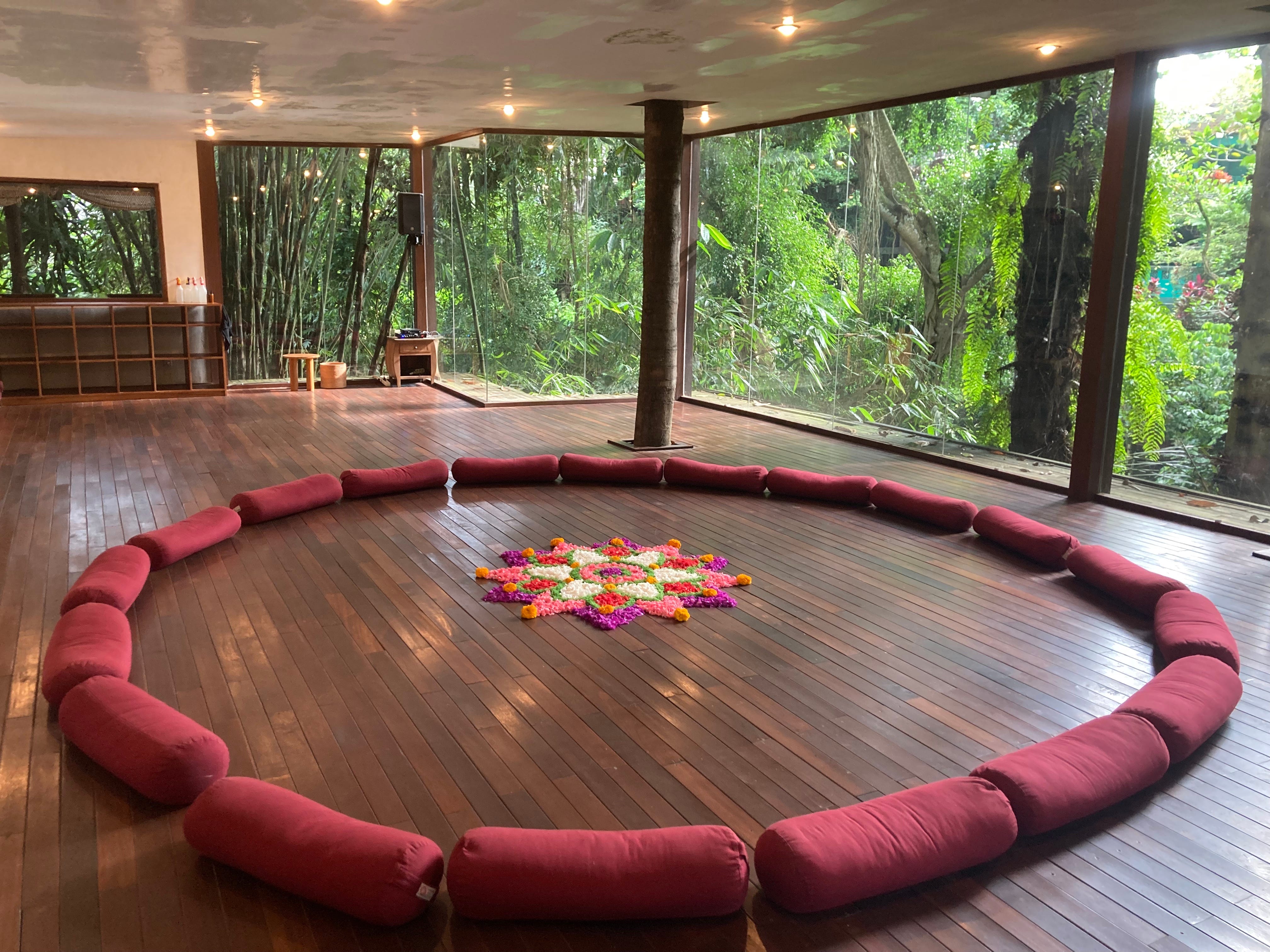
Given my schedule, the integration time I need afterward, and the flight costs, that amount of retreat time felt perfect. I learned a lot from the teachers, brought it into my daily practice, and shared it with the community in Tokyo. They weren’t long retreats, but they were still impactful.
Also, I have a son. I genuinely don’t want to be away from my son for more than a few days. At this stage, I’m one of his main attachment figures, and being present with him matters more to me right now than going off on some big spiritual exploration. Besides, each day with him is its own spiritual exploration, and a deeply fulfilling one.
That’s my situation.
Some people do longer retreats. Some do shorter. Some go more often, some less. In the past, I did multiple 10-day retreats a year, plus self-retreats in cabins with friends, during that season of hardcore spiritual seeking. There’s a season for that too.
If you like structure, here’s a simple way to think about it:
1 retreat / year = maintenance + something to look forward to
2 retreats / year = a really healthy cadence (start + mid-year recalibration)
3+ retreats / year = deep season / major transition / intensive practice
I like booking retreats 3–6 months in advance when possible, so I have something to look forward to. For me, that’s an act of self-love. It gives my system some calm knowing that time is set aside to unplug, be offline, and reconnect with nature.
This year, I actually haven’t scheduled anything yet, but I’m looking at some shorter retreats at Echo Dharma Lodge again.
Retreats vs. vacations
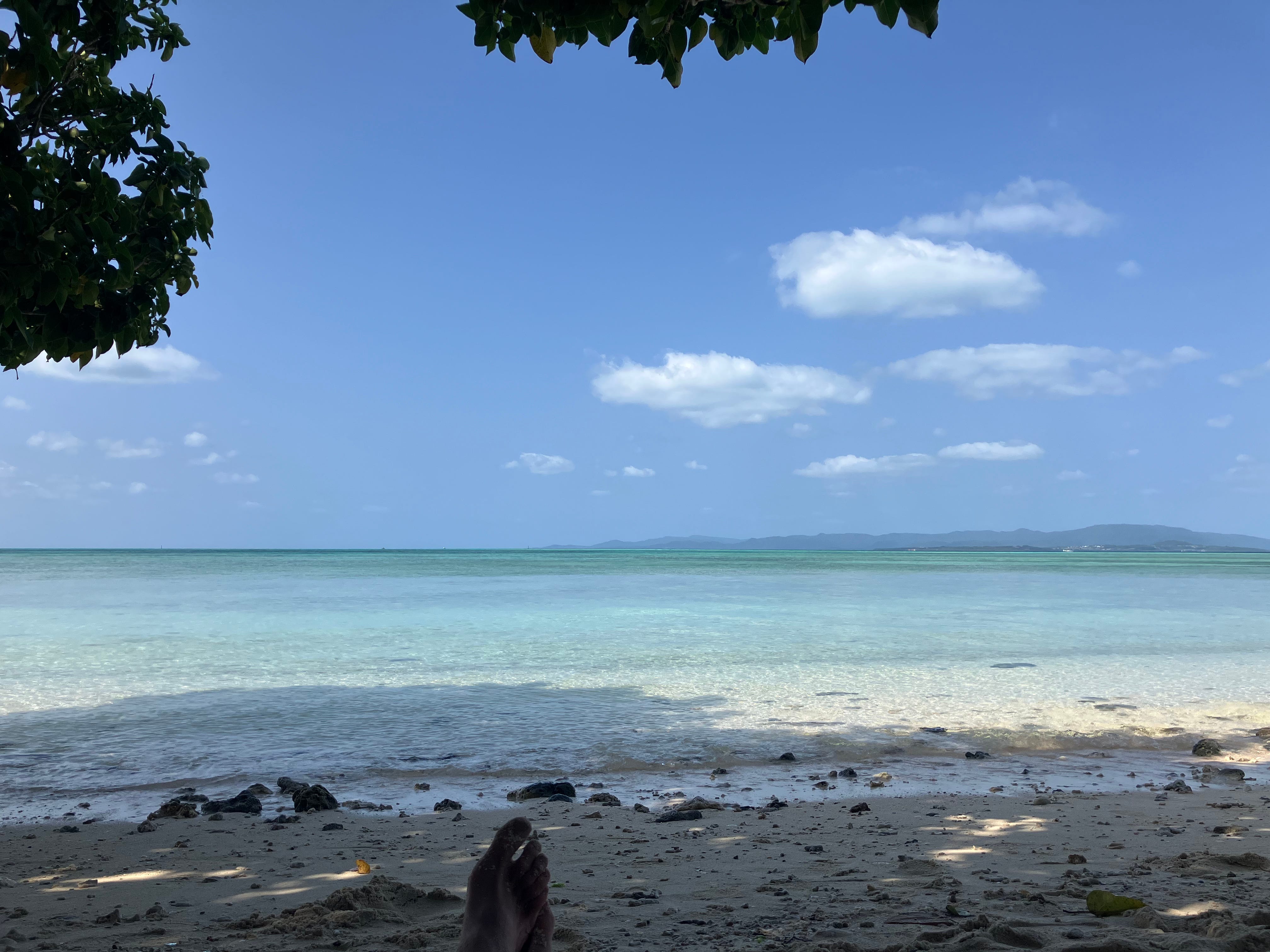
For many people, myself included, it can actually make more sense to go on a retreat than on a typical vacation.
Some surveys suggest that people often come back from vacations more tired and stressed than when they left. That makes sense. Vacations can still involve lots of planning, logistics, phone time, decision-making, and stimulation, whereas on a retreat, everything is taken care of for you. All you have to do is show up.
Sometimes retreats can even be more cost-effective. The amount of money we spend on travel, tours, food, and alcohol can add up quickly. I remember staying at a nice hotel in Denver and feeling bored and isolated, then going to a 3-day retreat for a fraction of the cost and feeling deeply connected to nature and other people. The contrast was pretty glaring.
Society mostly has it backwards. We’ve created isolated chambers of disconnection and then wonder why we feel so unhappy. Often it doesn’t take that much: put your phone away, spend some time in silence, move your body in nature, and have a few meaningful conversations. We remember what’s important pretty quickly.
Retreats are not a long-term solution to all of your problems, and believing they are just creates pressure and expectation. But they do create the conditions for deeper reflection and connection, and that can absolutely influence the direction of your life, and the lives of the people around you.